 Available in US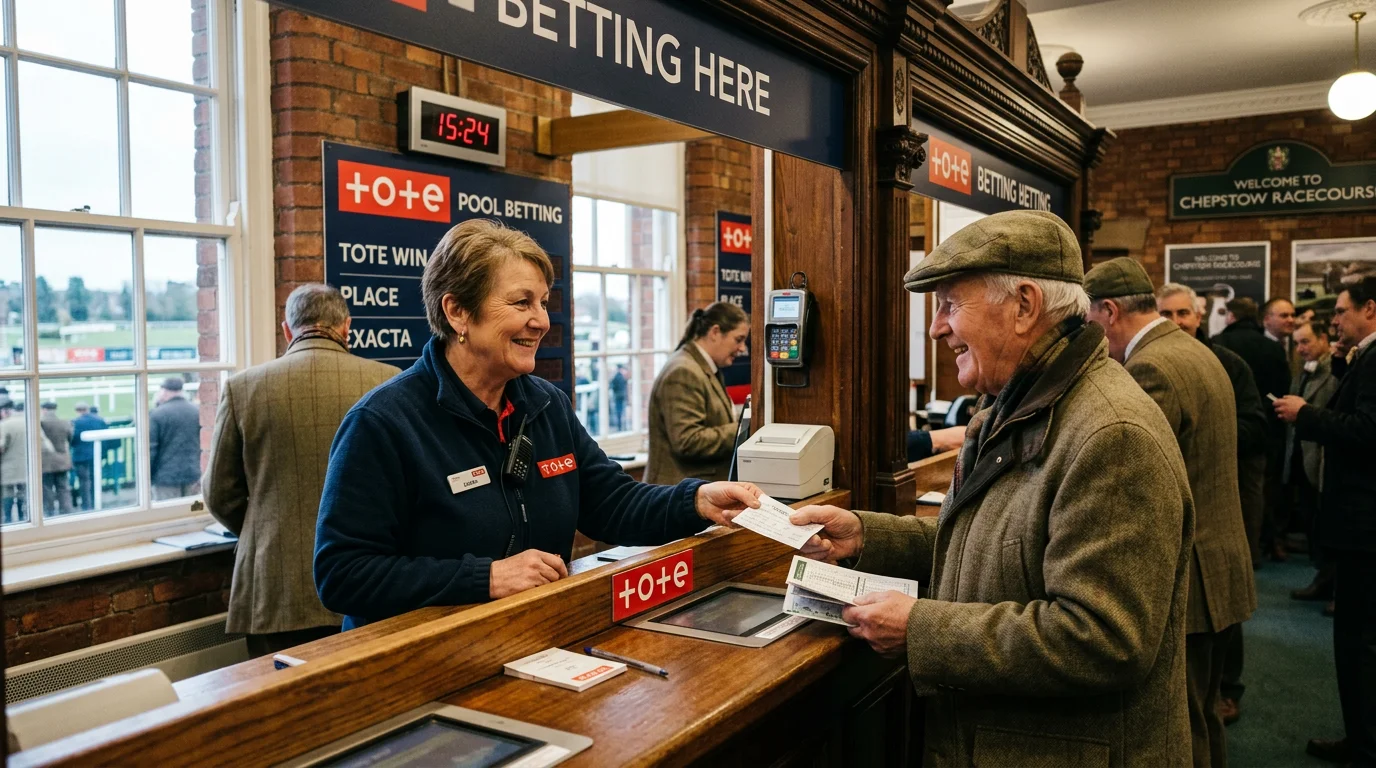
British betting terminology can bewilder even experienced punters. Ask for an exacta at one platform and you receive blank stares; request a reverse forecast at another and the same confusion follows. The underlying bet is identical, yet the language shifts depending on where you place your wager. Understanding these variations prevents costly mistakes and ensures you get precisely the bet you intended.
The exacta versus reverse forecast distinction sits at the heart of UK exotic betting vocabulary. Both terms describe selecting two horses to finish first and second in either order. Neither requires you to specify the precise finishing sequence. The coverage is the same, the mechanics are the same, the potential returns follow the same calculation. Only the name differs.
This guide cuts through the terminology fog. By the end, you will know exactly which term to use on which platform, why the different names evolved, and how to navigate British betting interfaces without second-guessing whether you have selected the right option. Same bet, different names. Master the vocabulary and focus on what matters: picking winners.
Explore all exacta bet types at exacta box bet.
UK Terminology Explained
The forecast family of bets in UK racing comprises three related wagers. A straight forecast requires naming the first and second finishers in the correct order. A reverse forecast covers both possible orderings of your two selections, doubling the stake but removing the need to predict sequence. A combination forecast extends this logic to three or more horses, covering all possible first-and-second pairings among your selections.
The exacta operates identically to the forecast but originates from pool betting vocabulary. A straight exacta matches the straight forecast: one specific ordering. An exacta box matches the reverse forecast: both orderings covered. The Tote, as the primary UK pool betting operator, uses exacta terminology exclusively. Traditional bookmakers offering fixed-odds versions of the same bet typically use forecast language.
The minimum stake requirements differ slightly between operators. The Tote’s official rules set the UK Tote Exacta minimum at £2, though flexi betting permits smaller unit stakes when the total bet meets threshold requirements. Bookmaker forecasts may have different minimums depending on the operator’s terms.
Combination forecasts warrant particular attention. When you select three horses for a combination forecast, you are covering six possible first-and-second orderings: A-B, B-A, A-C, C-A, B-C, and C-B. This is mathematically equivalent to a three-horse exacta box. Four horses produce twelve combinations, five horses twenty, and so on. The terminology differs but the formula remains constant: number of horses multiplied by one less than that number.
Grasping this equivalence prevents confusion when moving between platforms. A reverse forecast on Bet365 covers the same ground as an exacta box on the Tote. A combination forecast with four selections matches a four-horse exacta box. The betting slip language varies; the underlying mathematics does not.
Historical Context
The divergent terminology reflects the separate evolution of pool betting and fixed-odds betting in different markets. American racing adopted pari-mutuel wagering as its dominant form early in the twentieth century. The term exacta emerged from this pool betting tradition, describing the precise finishing order required to collect from the pool. When pool betting expanded globally, exacta terminology travelled with it.
British racing developed along a different path. Fixed-odds bookmaking flourished alongside the Tote, creating a dual system where punters could choose between pool dividends and fixed returns. Bookmakers, operating outside the pari-mutuel framework, developed their own vocabulary. The forecast described predicting future finishing positions, with the straight forecast demanding precision and the reverse forecast allowing flexibility.
The Tote’s acquisition by UK Tote Group and subsequent modernisation brought American-influenced terminology into wider UK usage. Marketing materials, betting interfaces, and industry commentary increasingly reference exactas rather than forecasts when discussing pool bets. Yet traditional bookmaker language persists, particularly among older punters and at independent betting shops.
This linguistic split means British racing effectively operates with two parallel vocabularies for identical concepts. Neither is incorrect; both describe the same wager. The platform determines which term applies, not any substantive difference in the bet structure itself.
Where Each Term Is Used
The Tote uses exacta terminology across all its platforms. Whether betting online, via the app, or at on-course Tote windows, you will select exacta options from the menu. The interface typically offers straight exacta for single-ordering bets and exacta box for any-order coverage. This consistency extends to World Pool races where UK punters access international commingled pools.
Traditional bookmakers predominantly use forecast language. Bet365, William Hill, Ladbrokes, and Coral all offer straight forecasts and reverse forecasts rather than exactas. The Computer Straight Forecast, a fixed-odds product based on an industry-standard formula, appears under forecast branding. Some operators offer both pool and fixed-odds versions, switching terminology accordingly within the same interface.
The growth in pool betting accessibility has expanded exacta terminology’s reach. According to industry data, UK Tote Group now has over 100,000 online active customers, many of whom have adopted exacta vocabulary through regular platform use. Racing media increasingly favours exacta when discussing pool betting and forecast when discussing fixed-odds alternatives.
Betting exchanges present a third variation. Platforms like Betfair offer forecast markets where users can back or lay specific first-and-second combinations. The terminology follows bookmaker convention rather than pool betting language, though the mechanics differ from both traditional forecasts and exactas.
On-course betting shops operated by independent bookmakers may use either terminology depending on the proprietor’s preference. When in doubt, describe what you want rather than relying on a specific term. Stating that you want horses A and B to finish first and second in any order eliminates ambiguity regardless of which vocabulary the counter staff prefer.
Practical Implications
Selecting the correct option on any platform requires matching your intent to the interface. If you want both orderings covered and the platform uses forecast language, select reverse forecast. If the platform uses exacta language, select exacta box. Before confirming, verify the number of combinations and total stake displayed matches your expectation. A two-horse any-order bet should show two combinations at twice your unit stake.
See also: exacta vs forecast bet — platform variations between exacta and forecast.
The choice between pool and fixed-odds versions involves more than terminology. Pool exactas offer variable dividends calculated after the race based on betting patterns. Fixed-odds forecasts lock in your return at the moment you place the bet. Each approach has situations where it offers better value. Comparing probable exacta dividends with available forecast odds before betting helps identify which version to use for any given race.
Mobile apps sometimes abbreviate or alter standard terminology. Check the help section or bet type descriptions if the interface uses unfamiliar labels. Some apps use graphical selectors where you tap horses into first or second position rather than selecting named bet types. Understanding the underlying concept ensures you can navigate any interface regardless of how it presents the options.
When discussing bets with other punters or following tipster recommendations, context usually clarifies which bet is meant. A tip referencing the Tote dividend implies an exacta. A tip quoting CSF odds implies a forecast. If the source does not specify, assume the terms are interchangeable and focus on the horse selections rather than the vocabulary.
Record-keeping benefits from consistent personal terminology. Whether you prefer exacta or forecast language, using one set of terms in your betting records simplifies analysis. Track which platform you used alongside the terminology to correlate performance differences between pool and fixed-odds versions over time. The names matter less than the underlying results; standardise your records to make patterns visible.
