
 Available in US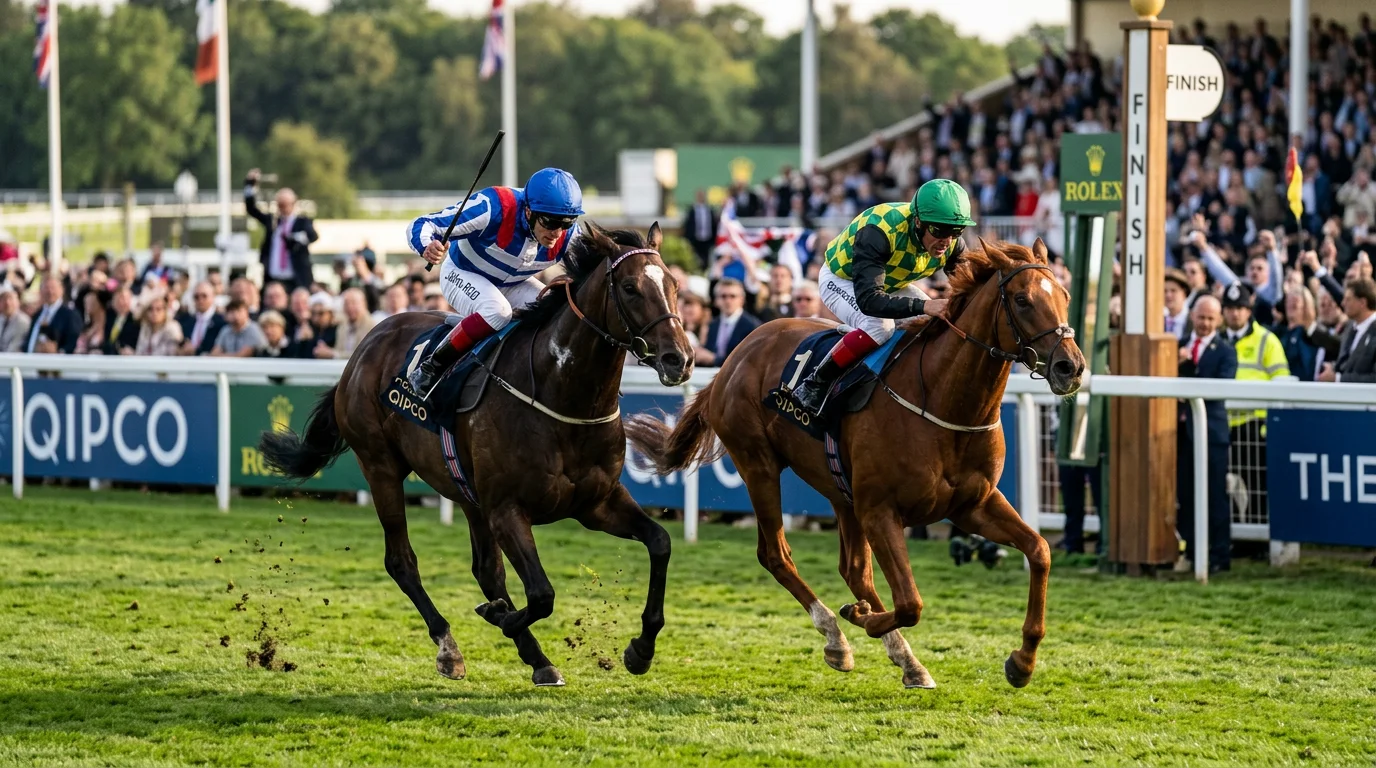
Exacta boxes and quinellas confuse many punters because both bets involve picking two horses to finish first and second in either order. The coverage is identical. The mechanics diverge in ways that affect cost and potential return. Understanding these differences allows you to select the bet structure that fits your situation rather than defaulting to whichever term you encountered first.
The confusion stems partly from terminology variations across markets. North American bettors use quinella frequently, while UK punters more commonly encounter the exacta box or reverse forecast. Some platforms offer both bet types separately despite the apparent overlap. Two bets, one concept, different execution. The subtle distinctions matter when building a betting strategy around exotic wagers.
This comparison examines what each bet type actually delivers, how the payouts differ, and in which situations one choice outperforms the other. By the end, you will know precisely when a quinella makes sense and when an exacta box serves your purposes better.
More exacta strategies and tips at exacta box bet.
What Is a Quinella?
A quinella is a single bet on two horses to finish first and second in any order. You pay one stake and receive one payout if your selections occupy the top two positions regardless of which finishes ahead. The bet treats both orderings as equivalent outcomes covered by one ticket.
The quinella pool operates separately from the exacta pool where quinellas are offered. All quinella bets on a race combine into their own pot, subject to their own deduction, and distributed among winning tickets for that specific pool. The dividend reflects how many punters backed the winning pair, not the precise ordering.
In the UK, quinella availability is limited. The Tote does not operate a dedicated quinella pool on domestic races. The closest equivalent is the Swinger, which requires two horses to finish in the first three rather than the first two. According to the Tote’s betting rules, the Swinger pool carries a 25 percent deduction, matching the Exacta rate. However, Swinger coverage is broader, making it a different proposition entirely.
Where quinellas do exist, typically in North American and some international pools, the appeal lies in the lower cost for any-order coverage. One stake buys protection against uncertainty about which horse finishes first. The trade-off comes in the dividend. Since more punters win when order does not matter, the pool spreads across more tickets, reducing individual payouts compared to exacta dividends for the same result.
Understanding the quinella’s structure matters even when betting primarily through UK platforms. World Pool access connects British punters to international racing where quinellas feature prominently. Hong Kong, Australia, and US tracks all offer quinella betting with substantial pool liquidity.
What Is an Exacta Box?
An exacta box is multiple straight exacta bets combined to cover various orderings. When you box two horses, you place two separate exacta bets: one with Horse A first and Horse B second, another with Horse B first and Horse A second. Each bet costs your unit stake, so a two-horse box costs twice that amount.
The crucial distinction from a quinella is that an exacta box enters the regular exacta pool rather than a dedicated any-order pool. Your winning ticket competes only against other punters who bet on the precise finishing order that occurred, not against everyone who backed the pair in any configuration.
Consider the implications. If Horse A finishes first and Horse B second, only exacta tickets on that specific combination win from the exacta pool. Punters who bet Horse B first with Horse A second lose, even though they had both horses. The pool does not merge orderings. This concentration of winning tickets typically produces higher dividends than a quinella would for the same result.
Boxing three or more horses escalates the cost rapidly. A three-horse box covers six orderings, each requiring your unit stake. Four horses generate twelve combinations. The formula is simply the number of horses multiplied by one less than that number. You are buying multiple entries into the exacta pool, each with its own chance to win depending on the actual finishing order.
The UK Tote offers exacta box functionality on all domestic pool races. The interface allows you to select horses and choose whether to box them or specify exact order. Flexi betting options permit smaller unit stakes when boxing multiple horses, keeping total outlay manageable while maintaining coverage across numerous combinations.
Payout Comparison
Quinella dividends run lower than exacta dividends for identical results. The mathematics dictates this outcome. A quinella pool distributes among all punters who backed the winning pair regardless of order, while an exacta pool only pays those who specified the correct sequence. Fewer winning tickets in the exacta pool means larger individual payouts.
Suppose a race produces a result where Horse A finishes first and Horse B second. In the quinella pool, both A-B and B-A backers win. In the exacta pool, only A-B backers win. If the quinella pool and exacta pool were similar sizes and attracted similar betting patterns, the exacta dividend would roughly double the quinella dividend because half as many tickets collect.
Real-world dynamics complicate this neat ratio. Pool sizes differ substantially between bet types. Exacta pools in the UK typically dwarf quinella pools where they exist because UK betting culture favours the exacta structure. Larger pools provide more stability but the fundamental relationship holds: order-specific betting concentrates payouts among fewer winners.
Data from UK racing supports exacta value. According to analysis from the UK Tote Group, Tote Exacta beats the Computer Straight Forecast in 73 percent of races, returning on average 30 percent more than the fixed-odds equivalent. This comparison involves straight exactas rather than boxes, but the principle transfers. Pool betting on precise outcomes often delivers better value than aggregate any-order structures.
Cost must factor into payout comparisons. A quinella costs one unit; a two-horse exacta box costs two. If the quinella pays £40 and the exacta pays £90, the return on investment differs. The quinella yields 40 times stake; the exacta box yields 45 times stake. The higher absolute payout does not always translate to better value once cost is considered. Evaluate returns proportionally to outlay rather than comparing raw dividend figures.
When to Choose Which
The choice between quinella and exacta box depends on your confidence level and cost sensitivity. When exactly two horses appear clearly superior but you cannot separate them, and a quinella pool exists with reasonable liquidity, that single-stake bet offers efficient coverage. You pay once and collect regardless of ordering. The lower dividend accepts the uncertainty about sequence.
Exacta boxes make sense when you want the potentially higher exacta dividend despite the doubled cost. If your analysis strongly favours the pair but you genuinely cannot determine order, the box captures the result while keeping you in the larger, more liquid exacta pool. The extra stake buys access to that dividend structure.
See also: straight vs boxed exacta — choosing between straight and boxed exacta.
UK punters face a practical constraint: domestic quinella pools scarcely exist. The Tote’s Swinger covers first three rather than first two, making it a different bet entirely. For standard top-two predictions on British racing, the exacta box is effectively your only pool option. Fixed-odds reverse forecasts exist through traditional bookmakers, but these operate outside pool dynamics.
When accessing international racing through World Pool, quinella becomes viable. Hong Kong racing offers deep quinella pools with substantial liquidity. The lower payout may suit punters seeking more frequent small wins rather than occasional larger dividends. Bet structure should match your approach to variance and bankroll management.
Boxes extending beyond two horses shift the calculation further. A three-horse quinella, where offered, costs one unit for any two of three to finish first and second. A three-horse exacta box costs six units. The quinella provides cheaper coverage but dilutes the potential payout. Consider whether the cost savings justify accepting lower dividends or whether the exacta’s concentrated payout structure better rewards accurate selection.
Neither bet type is universally superior. Each serves different betting philosophies. Quinellas favour volume and coverage efficiency. Exacta boxes favour higher payouts for precise outcomes. Match your choice to your objectives for each specific race rather than defaulting to habit.
